
Virtual Tours vs Video: Which Is Better?
Virtual tour or video walkthrough? We compare the two formats honestly — engagement, cost, storytelling, SEO and conversions — and explain when each one wins.
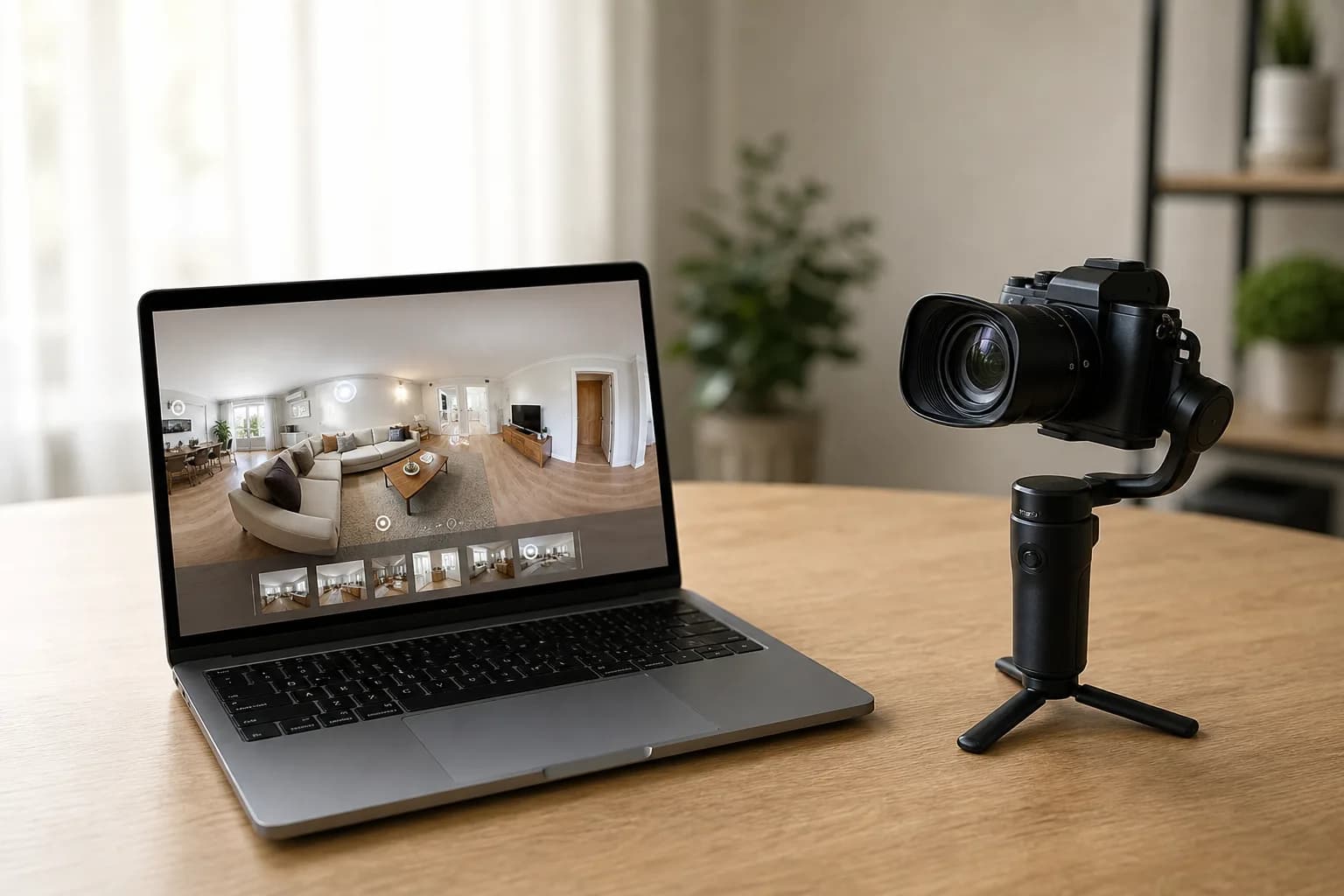
Key Takeaways
- Virtual tours hand control to the viewer; video follows the creator's script.
- Tours generate several times longer engagement than video on listing pages.
- Video wins for emotion, atmosphere and social media reach.
- For evaluating a space - property, hotels, venues - interactivity converts better.
- The strongest strategy is both - video to attract, tour to convince.
"Should we do a virtual tour or a video?" is one of the most common questions in property and venue marketing. The honest answer: they are different tools that happen to share a camera. This article compares them properly, so you can spend your budget where it converts.
If you need a primer on either format first, start with What is a virtual tour? — then come back.
The fundamental difference
Everything else in this comparison flows from one distinction:
In a video, the creator controls the experience. In a virtual tour, the viewer does.
A video is a linear film — shot, edited and sequenced by its maker. Every viewer sees the same 90 seconds in the same order. A virtual tour is a space — the viewer chooses where to look, which room to enter, what to inspect and how long to stay.
Neither is universally better. The question is what job you need done.
Head-to-head comparison
| Virtual Tour | Video | |
|---|---|---|
| Control | Viewer controls the experience | Viewer follows the creator |
| Interaction | Interactive — click, explore, inspect | Passive — watch and listen |
| Engagement | Longer sessions, repeat visits | Faster overview, single viewing |
| Strength | Better exploration and evaluation | Better storytelling and emotion |
| Completeness | Shows everything, honestly | Shows what the editor kept |
| Updates | Edit hotspots/scenes any time | Re-shoot and re-edit |
| Lead capture | Forms and CTAs inside the tour | Link in description |
| Social media | Good via link | Excellent native reach |
| Production cost | Lower — 30 min capture, no edit timeline | Higher — shoot, edit, grade |
| Best for | Property, venues, campuses, showrooms | Brand films, lifestyle, adverts |
Where virtual tours win
Evaluation and trust
When someone is deciding whether to view a house, book a venue or enrol at a school, they have questions video cannot answer: How big is the second bedroom really? What is the view from the kitchen window? What is next to the ballroom? A tour lets them check — which is why it builds trust: it shows everything, not a highlights reel.
Engagement time
A 90-second video earns at most 90 seconds. A tour is an activity: visitors click, look around, revisit rooms and come back later with a partner. On listing and venue pages, tours routinely hold attention several times longer than any other asset — engagement that also feeds your search rankings, as covered in How virtual tours improve SEO.
Qualified leads
Someone who booked a viewing after exploring a tour arrives pre-qualified — they know the layout and they are still interested. Estate agent viewer styles capture enquiries inside the tour at the moment of peak interest.
Cost and maintenance
A 360 camera captures a house in half an hour, and modern platforms make building the tour a minutes-long job — see How to create a virtual tour. When something changes, you edit a hotspot or re-shoot one room. Video starts over.
Where video wins
Emotion and storytelling
Nothing beats film for atmosphere: golden-hour drone shots, music, pace, a lifestyle to aspire to. A luxury development's brand film should be a film.
Social reach
Instagram, TikTok and YouTube are built for video. Native clips get algorithmic distribution that a tour link never will. If awareness is the goal, video travels further.
Passive audiences
Video asks nothing of the viewer. For audiences who will not invest effort — cold social traffic, TV-style advertising — a film that plays itself wins.
Four real-world scenarios
Abstract comparisons only go so far — here is how the decision plays out in practice.
A three-bed semi on Rightmove. Tour, no contest. Portal browsers are actively evaluating; they want to check the kitchen, the third bedroom and the garden in their own order. A video adds production cost to answer questions nobody asked in the order nobody asked them.
A luxury new-build development launch. Both, deliberately staged. A cinematic film with drone work carries the launch campaign and social ads; a Story-style guided tour of the show home does the consideration work for the buyers the film attracts. The film creates desire, the tour creates confidence.
A wedding venue. Tour first. Couples shortlist venues by eliminating them, and they eliminate on specifics: ceremony room size, where photos happen if it rains, guest flow from ceremony to reception. A tour answers elimination questions; a montage of someone else's wedding does not. Add a short emotive film later for social.
A restaurant's Instagram. Video. Nobody browses Instagram in evaluation mode — you are buying a scroll-stopping ten seconds of atmosphere. Link the tour in bio for the people who convert to "checking the private dining room".
The pattern: the closer someone is to a decision about a specific space, the more the tour outperforms. The further up the funnel, the more video's reach and emotion matter.
The false choice: use both
The most effective media strategies treat the two as a funnel:
- Video attracts. A 30-second cut on social media creates awareness and drives clicks.
- The tour convinces. On the listing or venue page, the interactive tour does the deep evaluation work that turns interest into an enquiry.
One capture session can feed both: shoot the 360 tour, then render flythroughs from it for social clips. Tours can also embed video inside scenes — a welcome message, a developer flythrough — so the formats stack rather than compete.
Which should you choose first?
If you can only invest in one format and your goal is selling or letting a space — property, hotel rooms, event venues, campuses, offices — start with the virtual tour. It works 24/7 on the pages where decisions happen, feeds portals like Rightmove and Zoopla, supports VR viewings, and costs less to produce and maintain. See our full 360 tours vs video comparison page for the property-specific version of this argument.
If your goal is brand awareness at scale, start with video and add tours as your consideration-stage asset.
Try the interactive side
The comparison only really lands when you feel the difference. Explore a live tour in our demo, then imagine the same space as a 90-second film — you will immediately sense which questions each format answers.
For the complete picture of what tours can do — the technology, industries, AI narration and VR delivery — read the ultimate guide to virtual tours.
Frequently Asked Questions

The 360tours.studio Team
Virtual Tour Experts
We build interactive 360 virtual tour software for estate agents and property marketers.
Related Articles
The Ultimate Guide to Virtual Tours (2026)
Everything you need to know about virtual tours: what they are, how they work, the technology behind them, the industries using them, and where AI and VR are taking immersive experiences next.
What Is a Virtual Tour? A Complete Beginner's Guide
New to virtual tours? This beginner's guide explains exactly what a virtual tour is, how 360 photos, hotspots, floor plans, audio and VR fit together, and how to view or create your first one.
The Best Virtual Tours You Can Explore Online in 2026
From the Louvre to the surface of Mars, these are the best virtual tours you can explore online right now — museums, national parks, landmarks, space missions and AI-generated worlds.